For decades, the modern bathroom has been dominated by a cold, clinical aesthetic—endless slabs of sanitized white ceramic, gleaming stainless steel, and harsh, fluorescent lighting. It was a space defined by sterility, not soul. However, the global design community is currently undergoing a profound “Post-Minimalist” correction. Leading architects and interior experts are rejecting the purely stark, unfeeling look of recent years, replacing it with a sophisticated emphasis on sensory materiality, contrasting textures, and warm, organic tones. At the very center of this global shift towards a more tactile and inviting design language stands a single, transformative architectural element: the Modern Floating Bathroom Vanity.
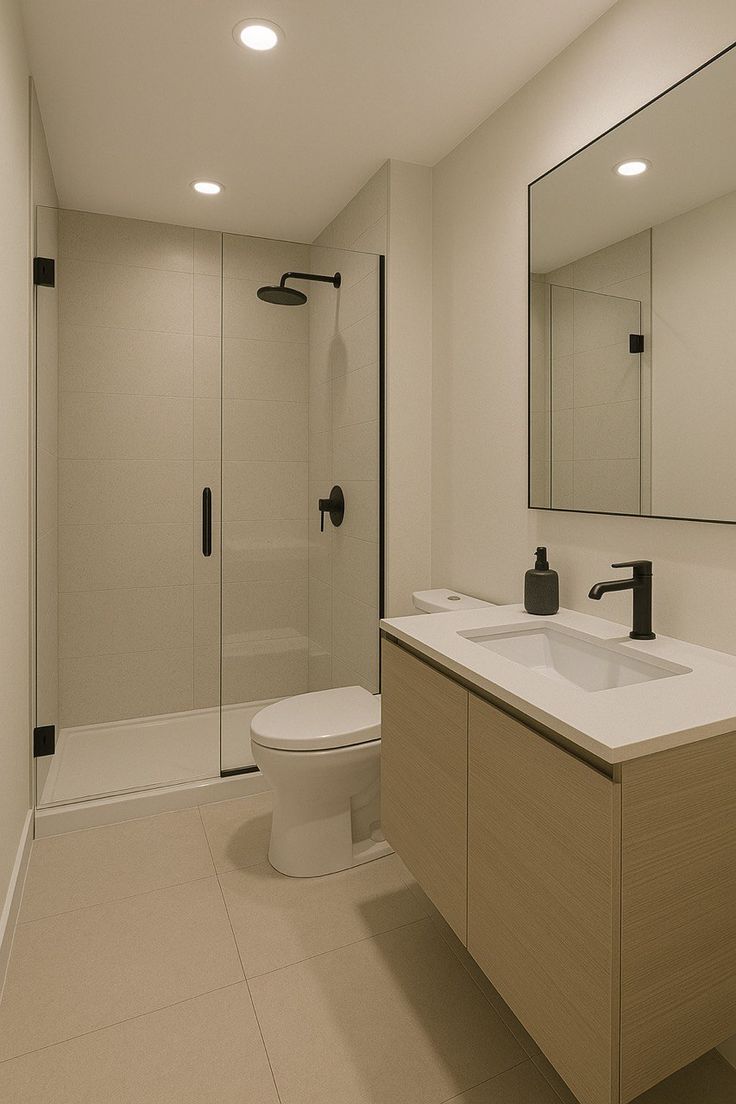
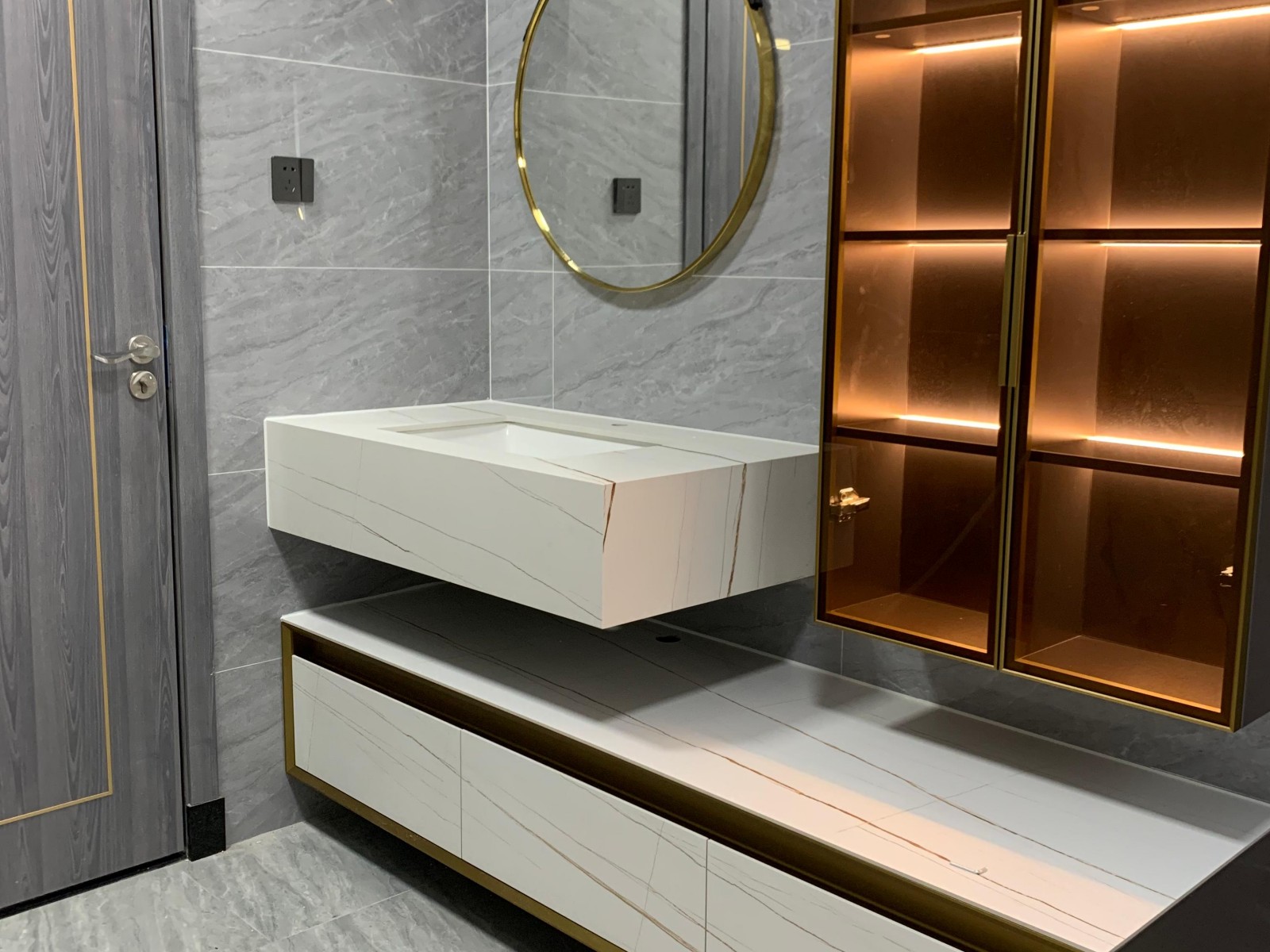
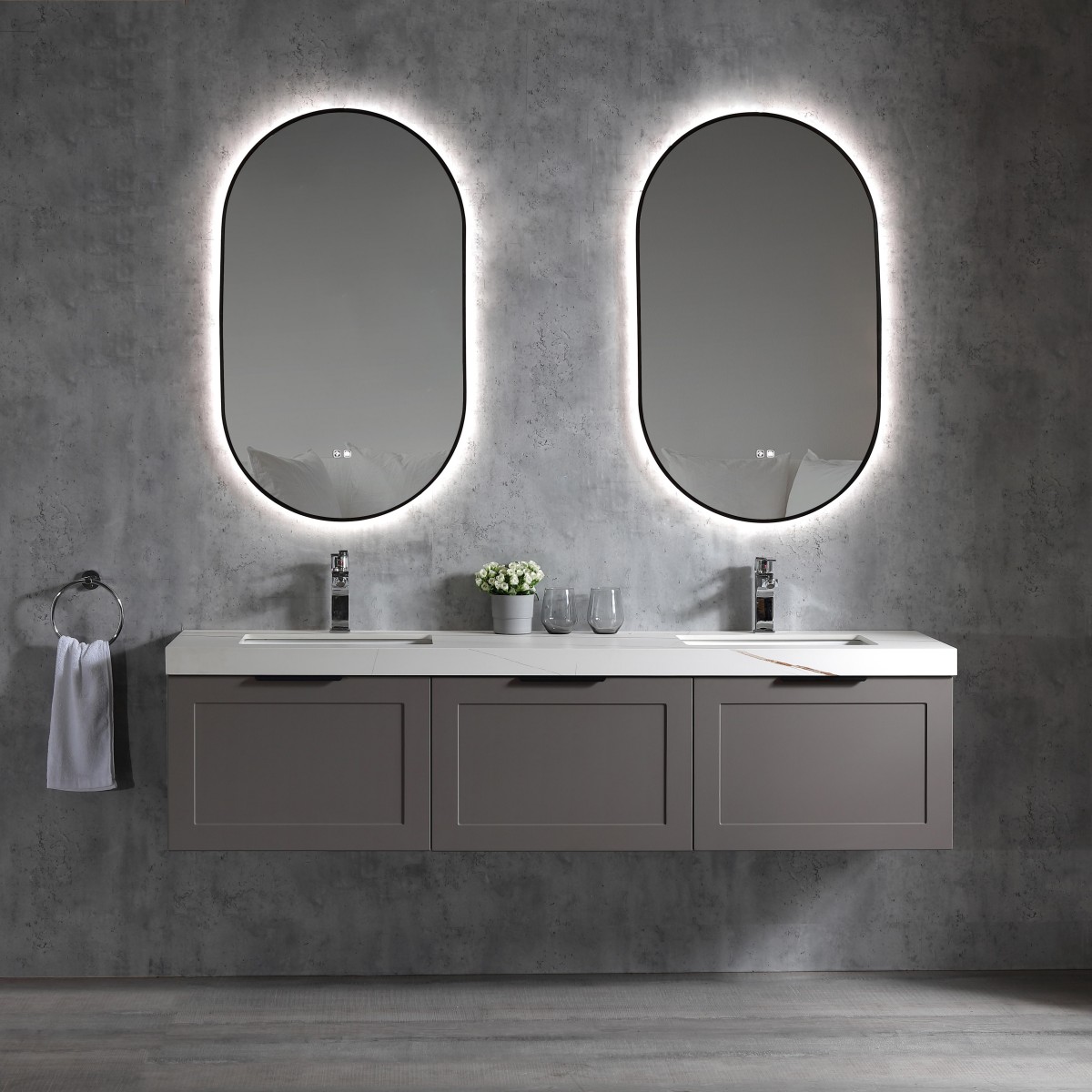
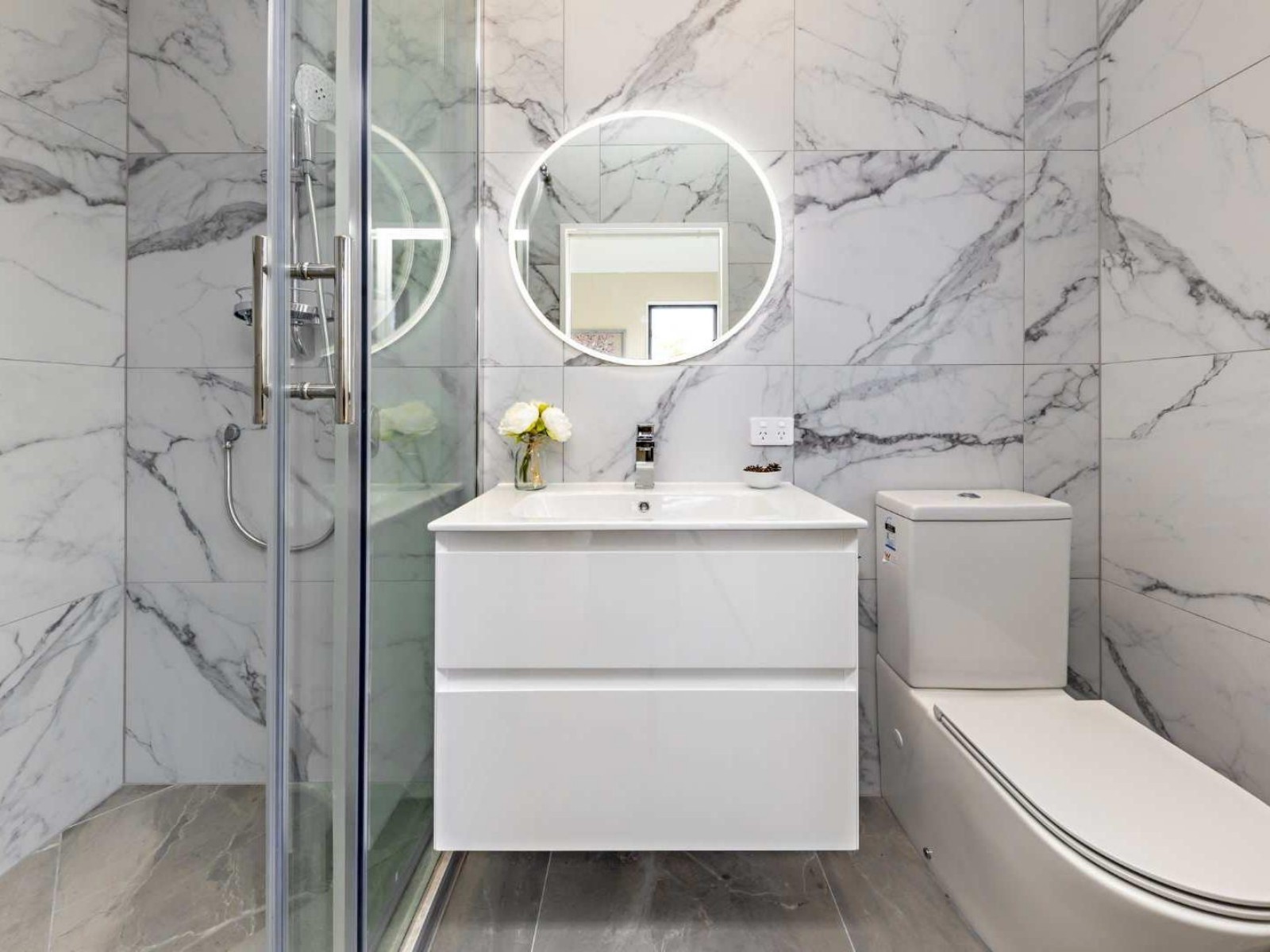
The 2026 design philosophy championed by major European and American furniture fairs rests on the concept of “Mixed Materiality.” It is no longer enough to use just one material; the ultimate luxury lies in the masterful combination of opposing textures. This is perfectly illustrated by the leading iterations of the floating vanity, which feature a pristine, flawless white ceramic basin resting upon a cabinet crafted from rich, natural white oak. This visual and tactile dialogue between the cool, polished stone and the warm, grained wood adds an astonishing layer of depth to a space that was previously flat. The Modern Floating Bathroom Vanity, in this specific configuration, serves as a bridge between the natural world and the manufactured one. Furthermore, designers are accentuating this contrast with matte-black metal hardware and a large, circular mirror that reflects the interplay of light and shadow, making the bathroom no longer just a utility room, but a veritable art gallery of materials.
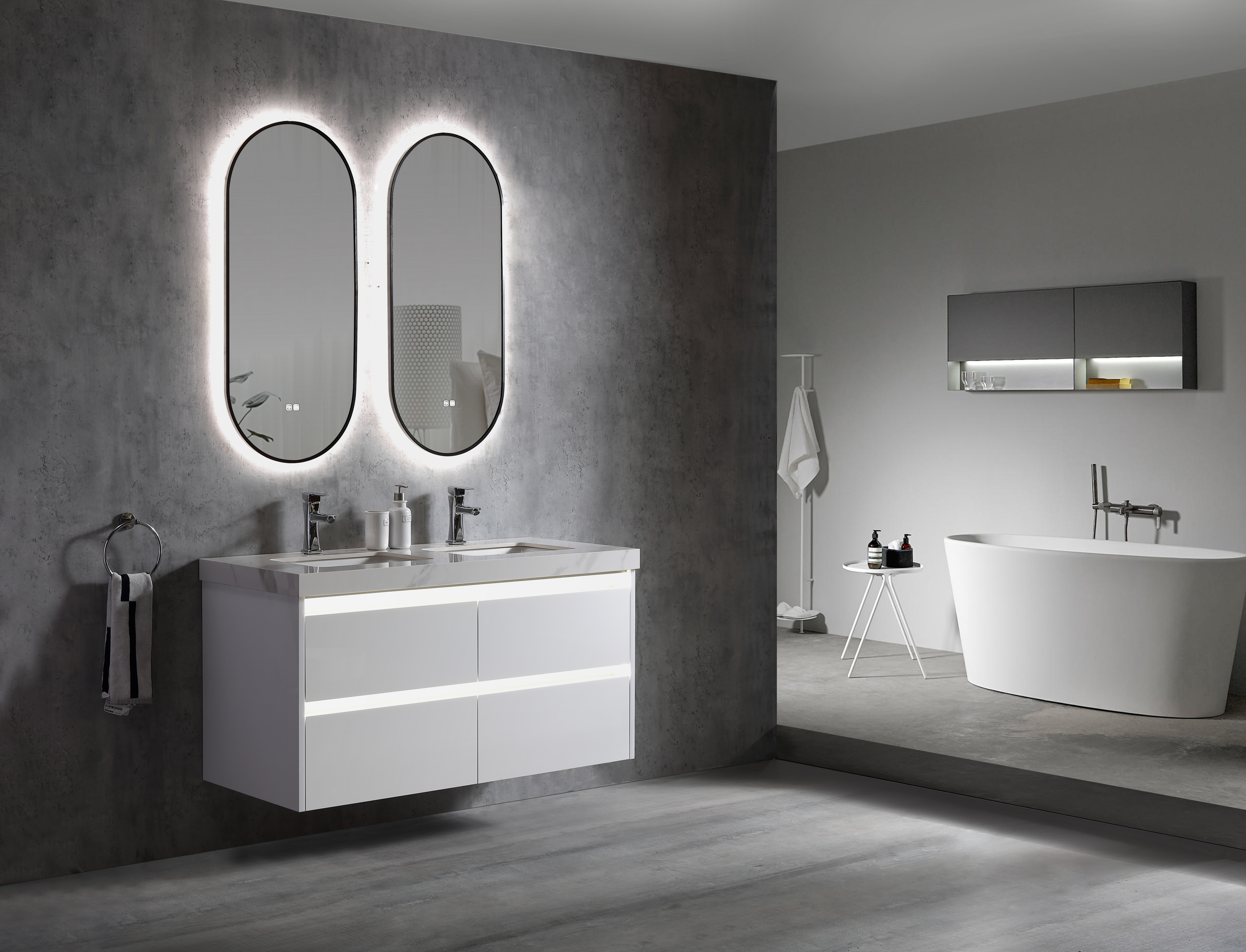
This trend is deeply rooted in the human psychological need for grounding in an increasingly digital world. The tactile nature of real wood, the reassuring solidity of smooth ceramic, and the quiet minimalism of a suspended fixture create a calming, meditative atmosphere. By elevating the cabinet off the floor, the Modern Floating Bathroom Vanity emphasizes its sculptural qualities; it is no longer a heavy box of storage, but a piece of floating furniture that breathes. This allows interior designers to treat the vanity as a centerpiece, much like a modernist painting. Around it, they are now crafting environments that feature soft, ambient LED lighting, live botanical elements in muted ceramic vases, and warm-toned tiles that blur the boundaries between the bathroom and the rest of the living space.
The functional evolution of this floating cabinet in 2026 is as impressive as its aesthetic evolution. As consumers become savvier, the demand for integrated, discreet storage has skyrocketed. The latest models feature revolutionary “invisible” hardware, where drawer fronts have no visible handles, relying instead on heavy-duty push-to-open mechanisms or precision-milled finger pulls that seamlessly integrate with the wood grain. The result is an uninterrupted surface that looks incredibly sophisticated, while the interior utilizes advanced organizational systems to keep everything impeccably tidy. This marriage of beauty and utility ensures that the Modern Floating Bathroom Vanity meets the rigorous standards of modern daily life, providing a sense of order and effortless elegance that resonates with a wide global audience, from young urban professionals in Tokyo to families in Milan.
From a global commerce perspective, the rise of this Post-Minimalist era is driving massive demand in emerging markets, particularly in Asia and the Middle East. International suppliers are racing to meet the demand for premium materials like FSC-certified solid oak, waterproof bamboo plywood, and sustainable ceramic composites. The global supply chain is shifting toward a “craft-forward” model, prioritizing quality over mass production. Interior design studios are also increasingly using 3D visualization tools to allow clients to preview how the grain of the wood will meet the specific lighting of their bathroom before they ever sign a purchase order. Real estate valuation experts are noticing a distinct premium on homes featuring this warm, material-rich design ethos; a bathroom with an artfully crafted suspended vanity significantly elevates the property's perceived worth, often enticing buyers to pay top dollar.
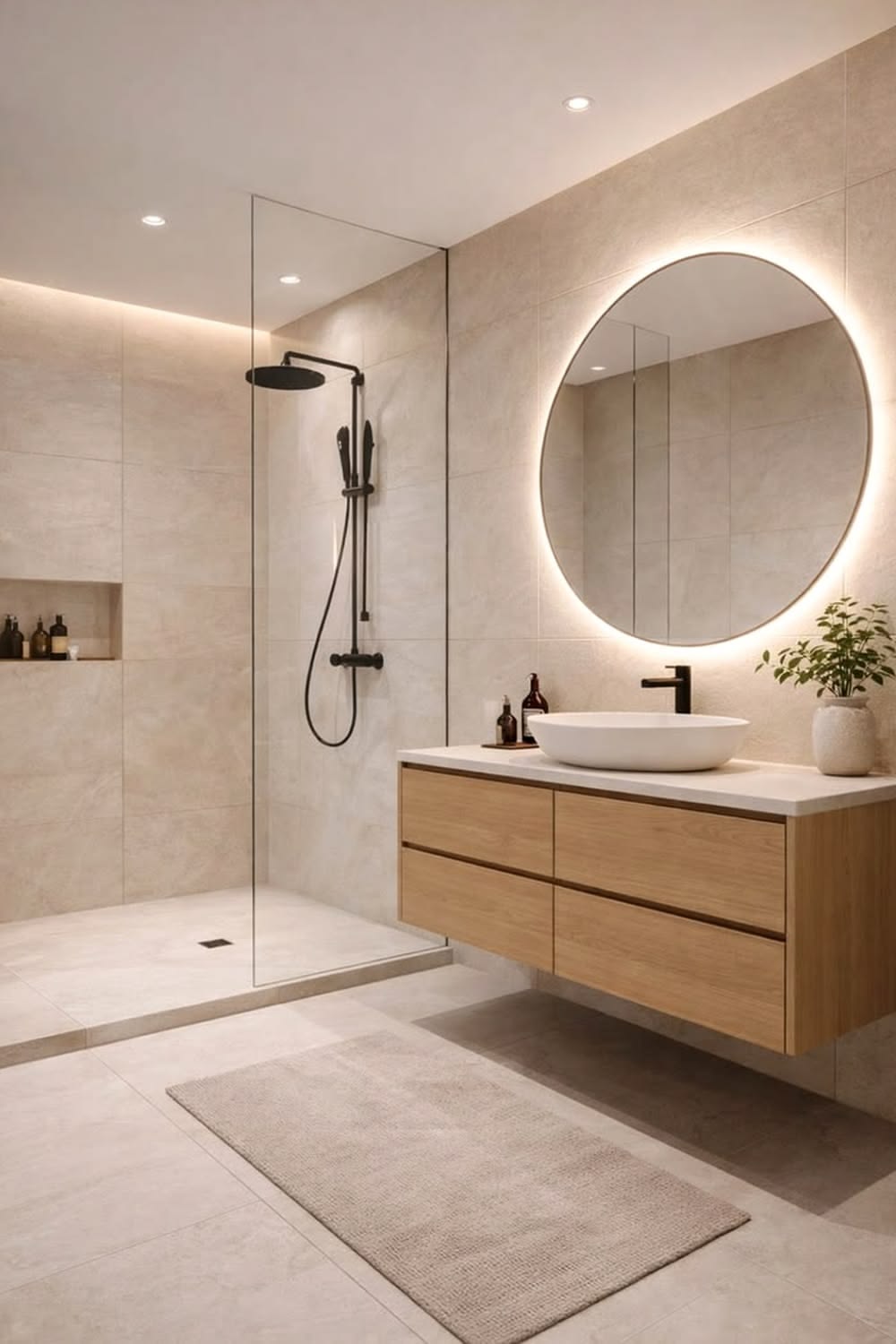
As we look towards 2027, the evolution of the “Post-Minimalist” style is moving toward even more personalized, sensor-rich solutions. We anticipate the integration of smart glass that transitions from clear to frosted with a simple touch, alongside seamlessly integrated, invisible heating elements to keep the ceramic basin warm. Yet, throughout all these technological advancements, the fundamental design promise remains the same: to create a sanctuary of peace, beauty, and tactile pleasure. The era of cold, stark bathrooms is definitively over. In its place, we have a sophisticated fusion of art and utility. The quiet confidence of the suspended form, paired with the rich embrace of natural wood, is the new gold standard for global interior design. For developers, decorators, and homeowners looking to elevate their living spaces to the level of high art, the Modern Floating Bathroom Vanity remains the key that unlocks a truly immersive, luxury experience.