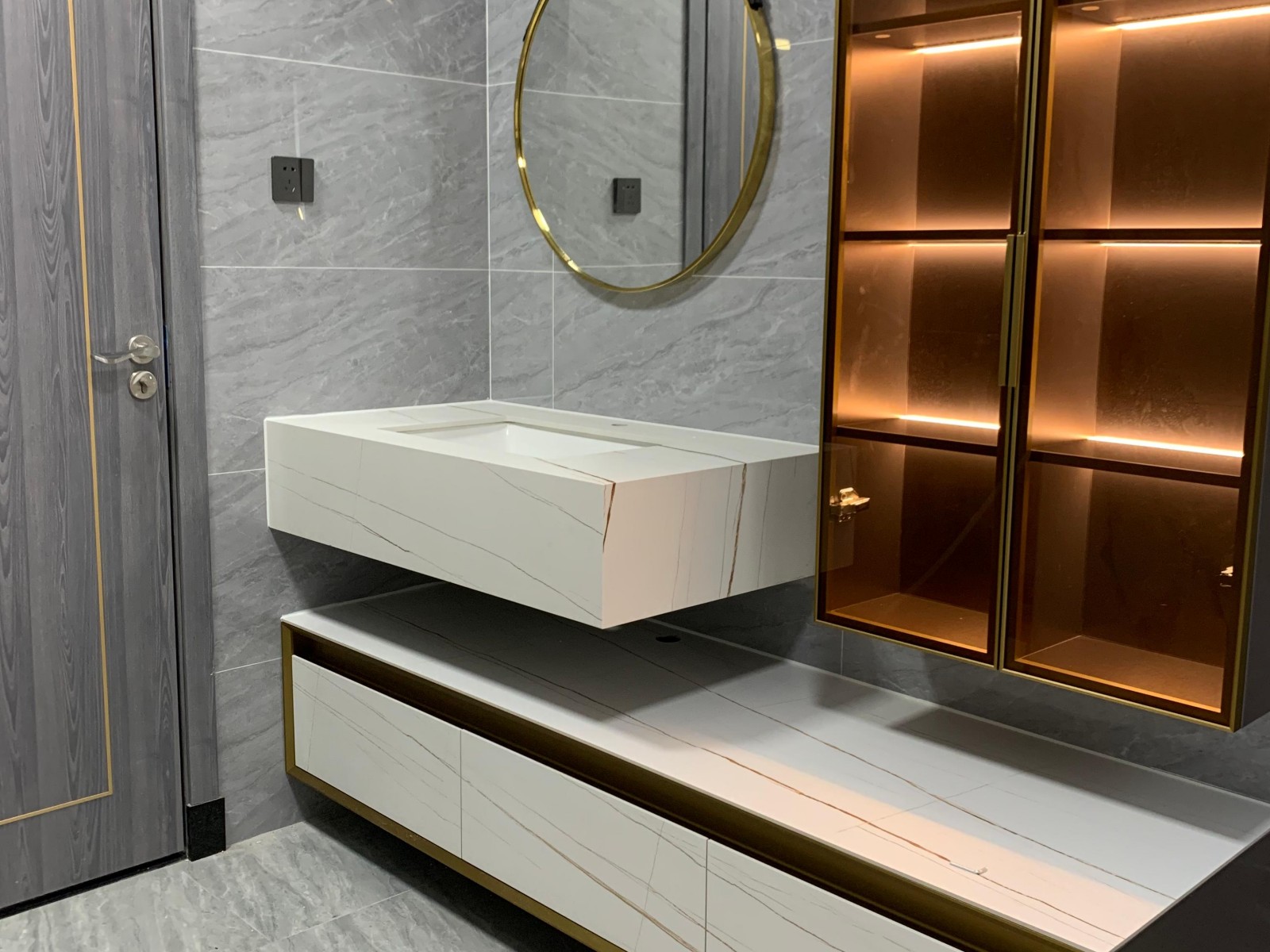
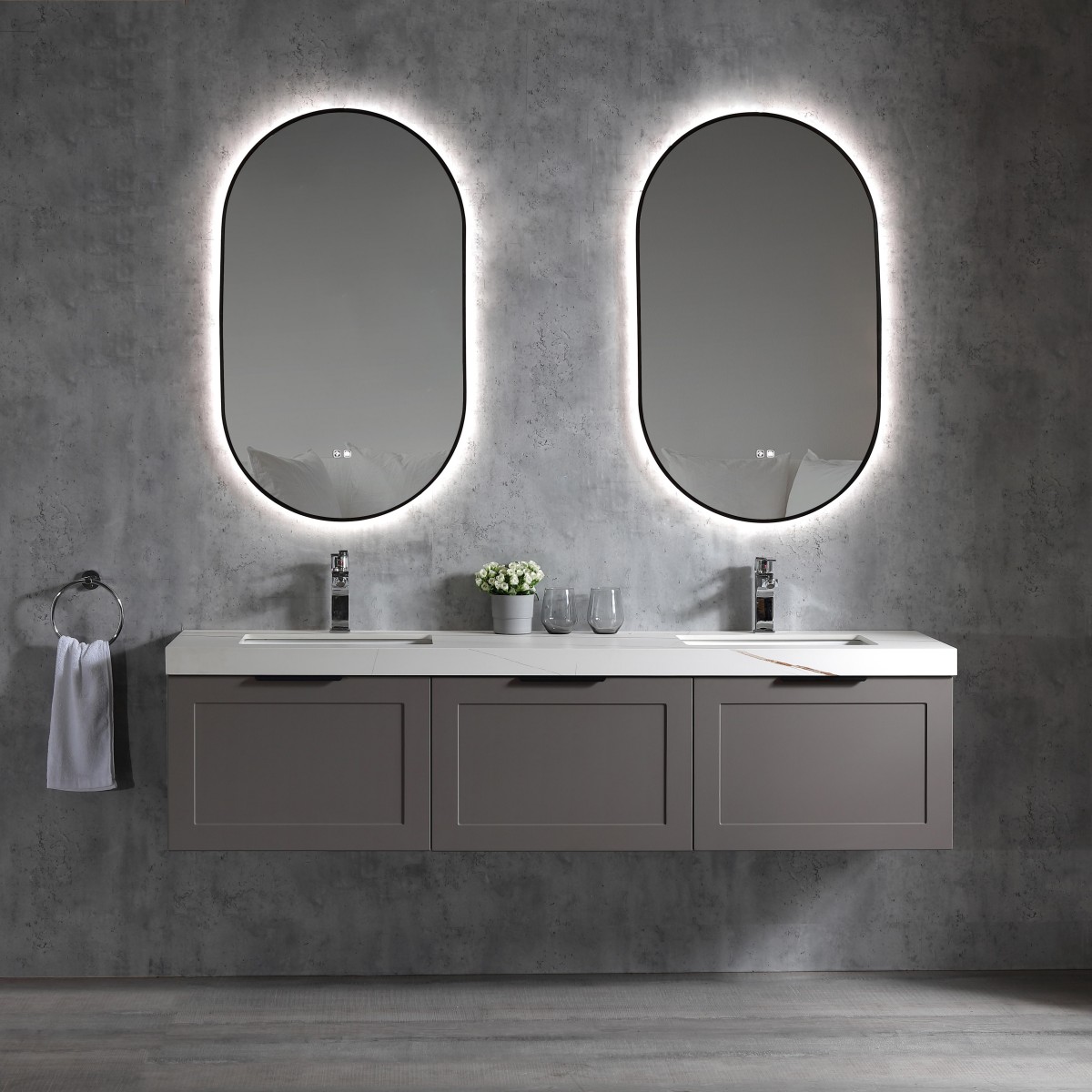
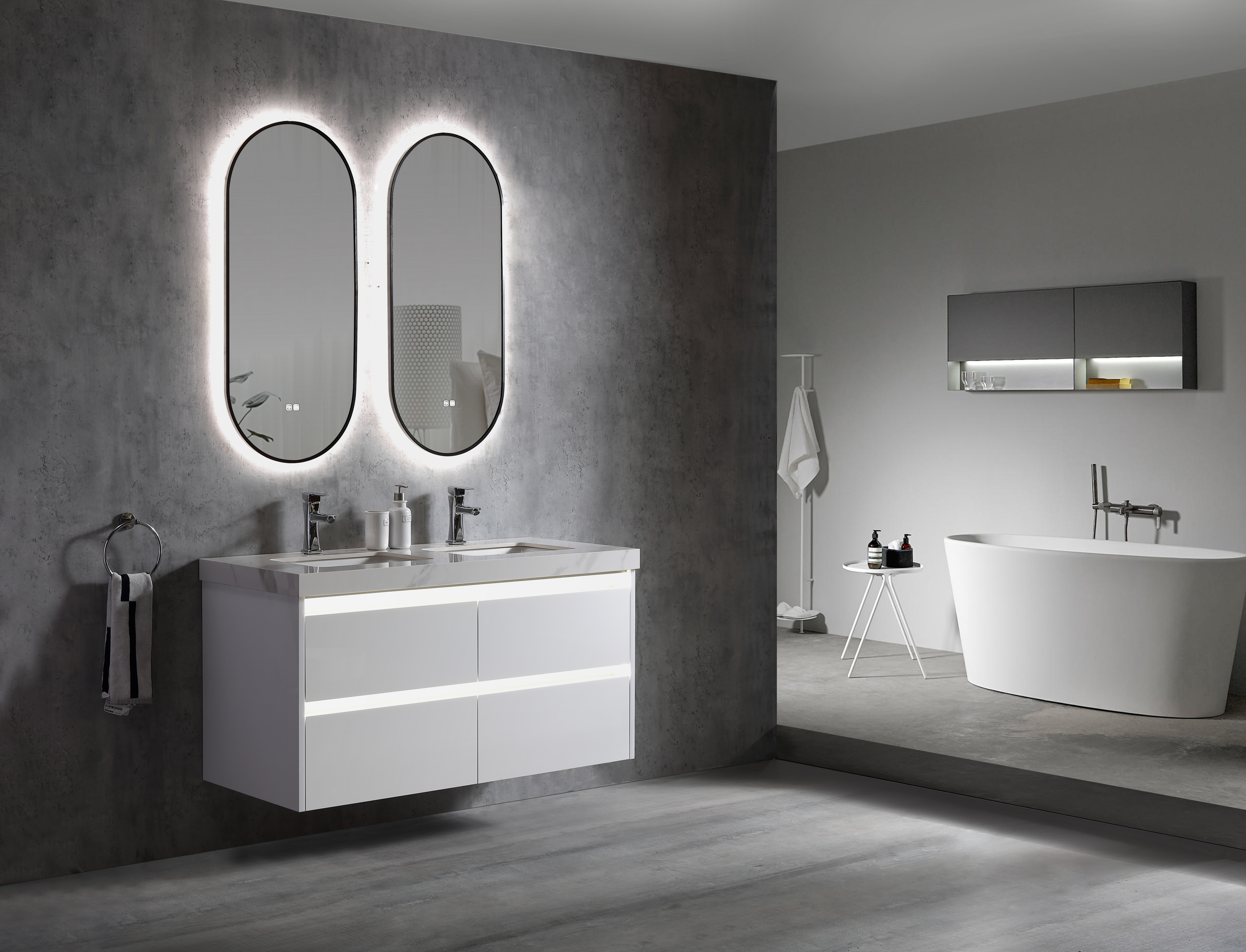
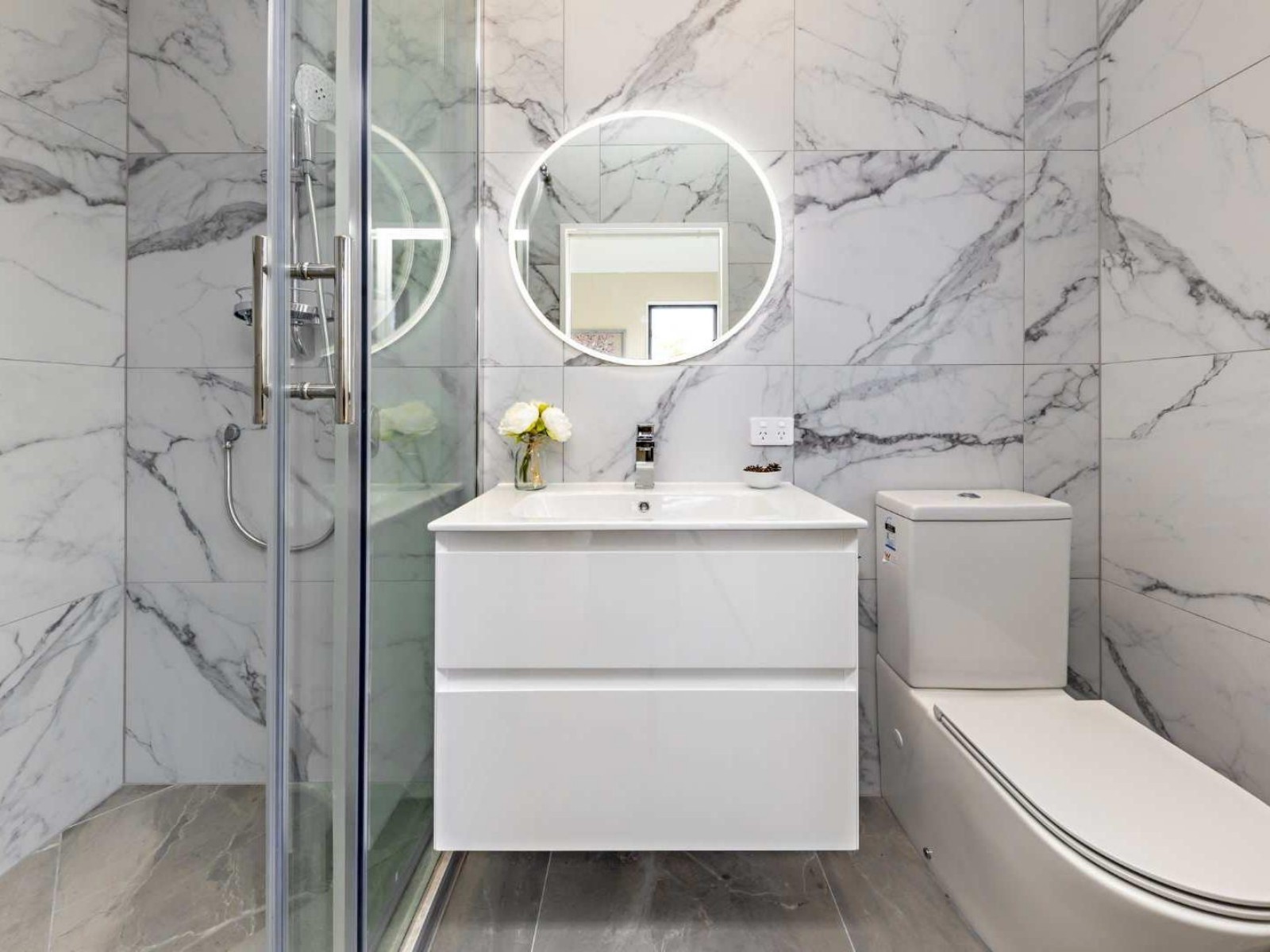
As the world's major cities continue to densify at a breakneck pace, the average square footage of residential apartments has plummeted to historic lows. In cramped urban landscapes from Hong Kong to New York, homeowners are facing a new, pervasive enemy: spatial anxiety. This psychological burden has sparked a global design movement aimed at reclaiming visual breathing room. Among all living spaces, the bathroom—traditionally the most functional and often the smallest—has emerged as the ultimate frontier in this fight against claustrophobia. Leading architects and interior psychologists now agree that the singular most effective weapon in creating a sense of serene expansiveness is the strategic installation of the Modern Floating Bathroom Vanity. By lifting heavy visual elements off the floor, this piece of furniture doesn’t just save inches; it fundamentally alters the way the brain perceives the boundaries of a room.
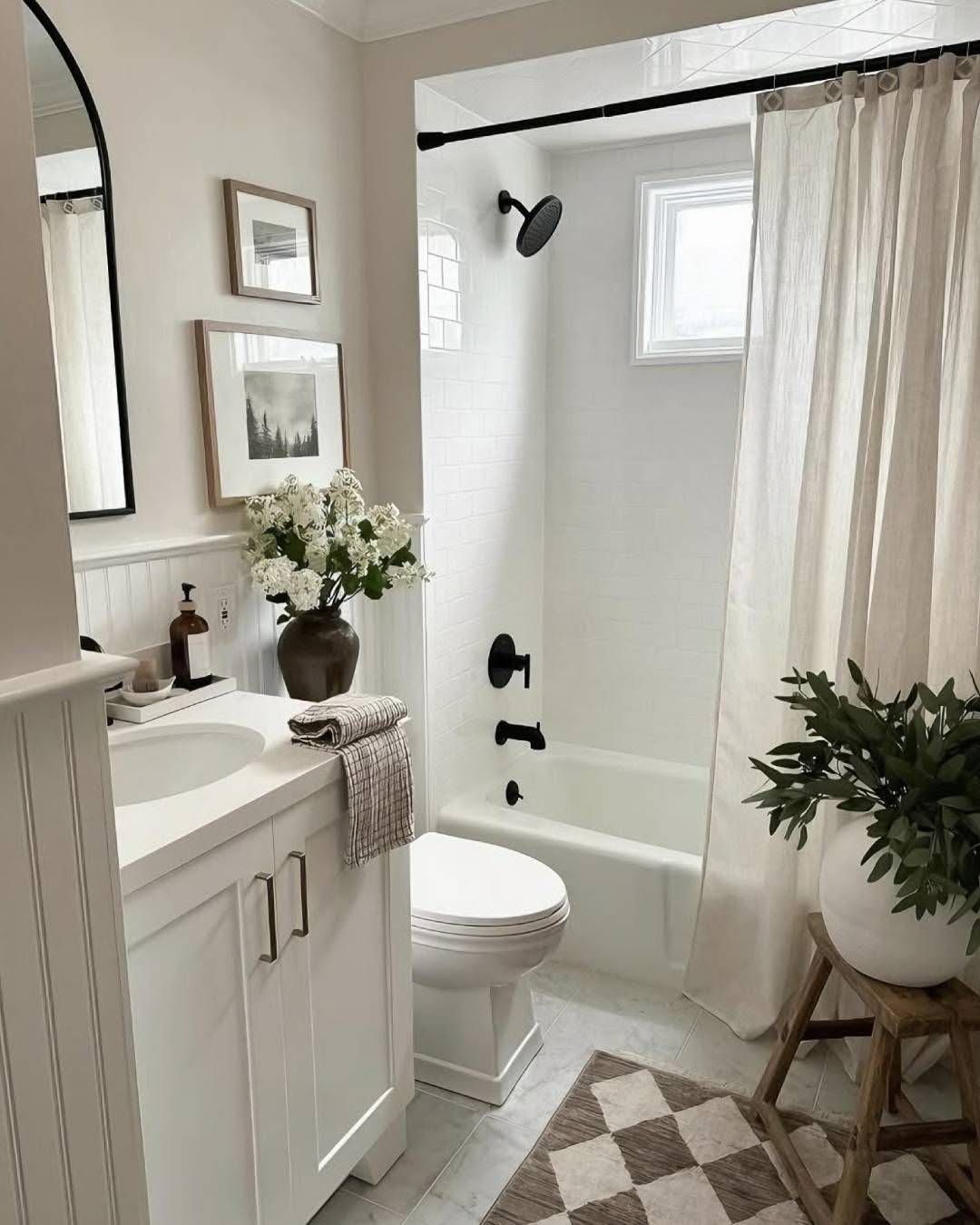
The core philosophy driving this trend in 2026 is what design futurists call "Negative Space Utilization." Traditional floor-standing vanities are essentially large volumes of opaque matter that interrupt the visual flow of the floor plane, cutting the room in half horizontally. In contrast, the Modern Floating Bathroom Vanity is suspended, leaving the ground beneath it entirely open. This continuous unbroken tiled floor trickles the eye all the way to the back wall, creating an optical illusion that can expand the perceived size of a compact 5x7-foot powder room by over 20%. Moreover, this architectural maneuver serves a highly practical purpose in the smart-home era: the open lower space allows robotic vacuums and mops to effortlessly glide underneath, completely eliminating the dark, dusty, and often mold-prone corners that plague traditional bathrooms. Homeowners are increasingly realizing that serenity is not just about what you add to a room, but what you visually and physically subtract from it.
Beyond the spatial liberation, the material choices of this design are tightly aligned with the rising "Quiet Luxury" trend—a movement that shifts focus away from loud logos and garish colors toward tactile, natural, and enduring materials. The standout iteration of the Modern Floating Bathroom Vanity features premium, FSC-certified white oak wood grain paired with a crisp, ultra-thin white ceramic basin. When exposed to natural directional sunlight streaming through an adjacent window, the wood’s organic texture casts soft, evolving shadows across the neutral walls, creating a living canvas that changes hourly. Designers are further enhancing this serene atmosphere by pairing the floating wood unit with a large, frameless round mirror featuring integrated, diffused warm-white LED lighting, and a muted sage-green ceramic vase holding dried botanical branches. This combination evokes a deeply biophilic connection, engaging the sense of touch and sight in a way that instantly lowers heart rate and cortisol levels. The sleek, matte-black faucet adds a subtle, modern punctuation, completing an aesthetic that feels both intentional and effortlessly peaceful.
This shift is also being heavily driven by the growing global demographic of multi-generational households and "aging in place" requirements. While aesthetic trends come and go, the demand for functional accessibility is a permanent and rapidly expanding market. The suspended design allows homeowners to adjust the mounting height according to the specific ergonomic needs of the household—whether it is for children, taller adults, or individuals using wheelchairs. This includes the seamless integration of touchless, motion-sensor faucets and subtle under-cabinet LED night lights that illuminate the floor, reducing the risk of potentially dangerous slips during midnight visits. This fusion of wellness-driven design and brilliant architectural utility makes the suspended unit an investment that pays dividends not only in property resale value—often yielding more than 90% ROI—but also in the daily quality of life.
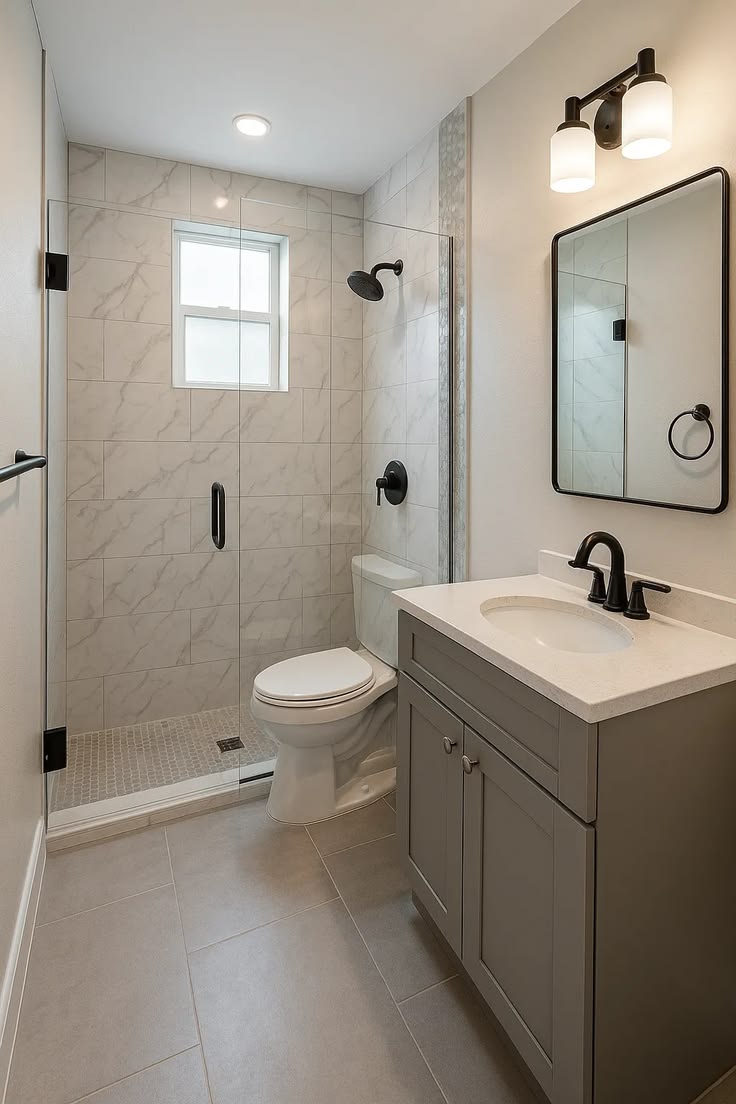
As global trade data for the first half of 2026 demonstrates, the demand for these space-saving, wellness-focused fixtures is driving a massive shift in international manufacturing. Furniture suppliers are aggressively pivoting from heavy, boxy cabinetry to water-resistant, lightweight, and highly durable marine-grade plywood frames with soft-close, heavy-duty German mechanisms. The industry is moving away from mass-produced standard sizes, shifting toward a "made-to-measure" model that allows architects to perfectly fit these suspended units into the unique niches of any architectural layout. Whether it's a high-end luxury penthouse or a tiny starter studio apartment, the need for practical luxury is universal.
The future of bathroom design in the face of global urbanization is unmistakable: it is lighter, cleaner, quieter, and infinitely more psychological. The bulky cabinets of the past are obsolete relics of a bygone era. In 2026, we are living in an age where the quest for mental clarity begins within the four walls of our most private sanctuary. Designers, real estate developers, and homeowners looking to transform a cramped, cluttered space into a multi-functional wellness retreat unanimously agree: the Modern Floating Bathroom Vanity is no longer a luxury for the few; it is an essential, intelligent investment for the modern majority, serving as the visual anchor that literally elevates the entire home.