The post-pandemic real estate landscape has birthed an unprecedented phenomenon: the "Forever Home" movement. Rather than moving to larger houses amid rising interest rates and tight inventory, millions of homeowners across North America and Western Europe are choosing to deeply renovate their existing spaces. While kitchen overhauls have long dominated this sector, recent data from the National Association of Home Builders reveals a surprising shift. For the first time in a decade, bathroom remodeling budgets have surpassed kitchen renovations in both per-project spending and consumer satisfaction scores. At the heart of this financial and emotional investment lies a singular, transformative fixture that is rapidly redefining the modern bathing experience: the Modern Floating Bathroom Vanity.
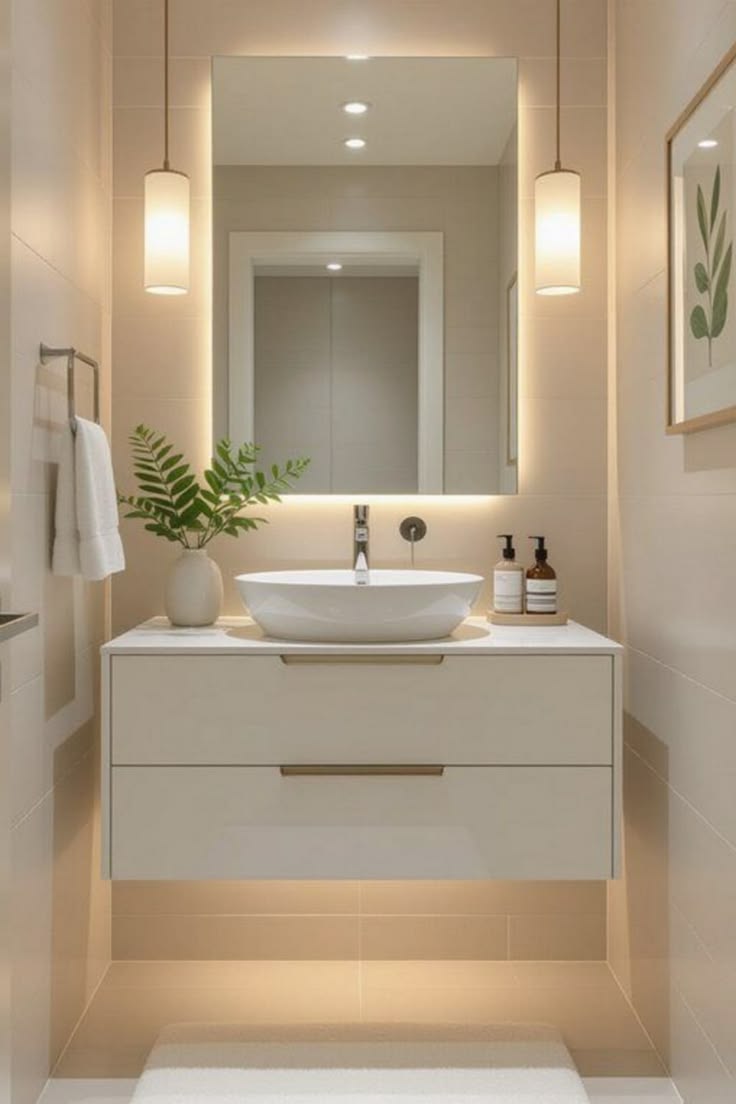
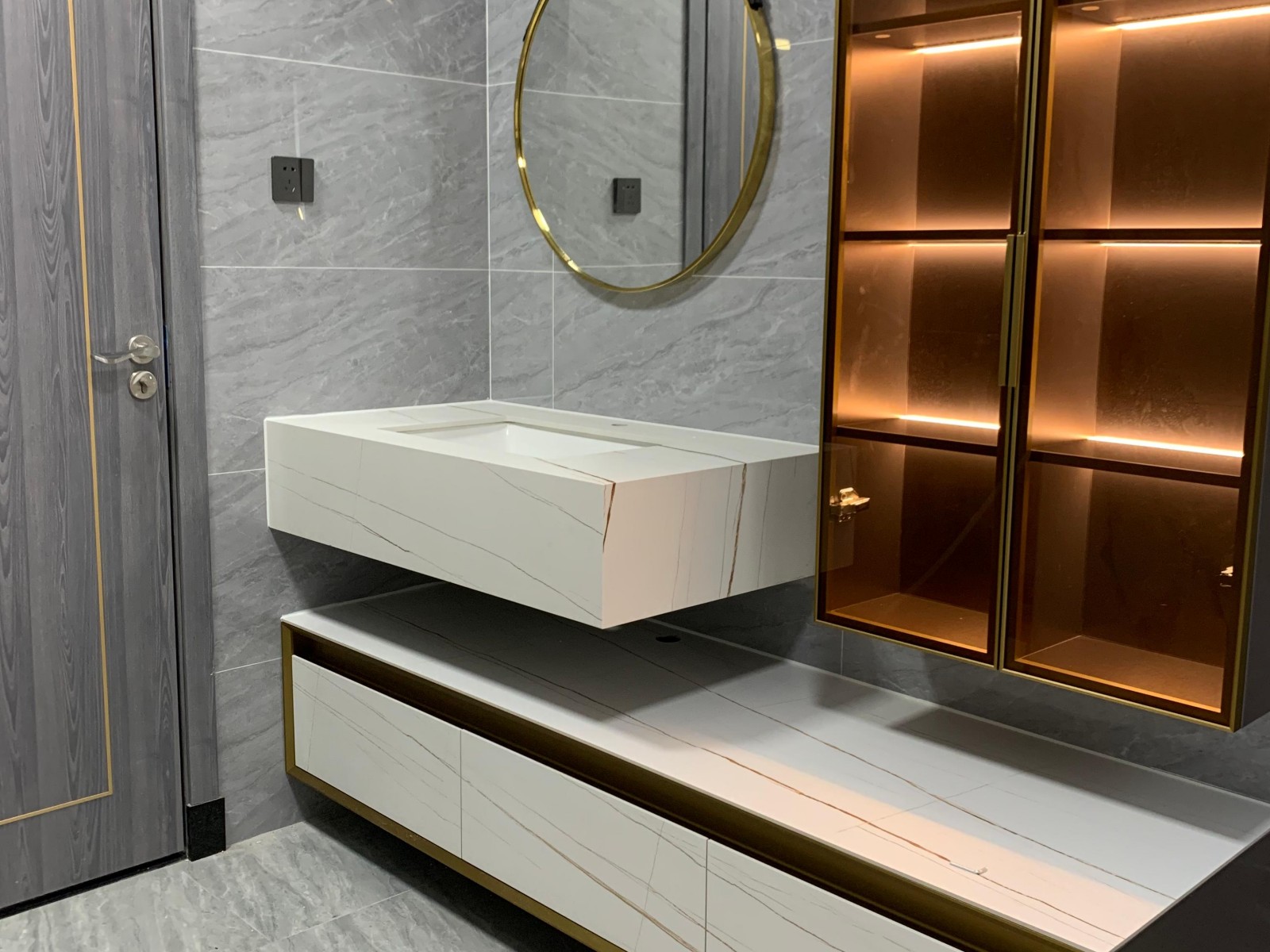
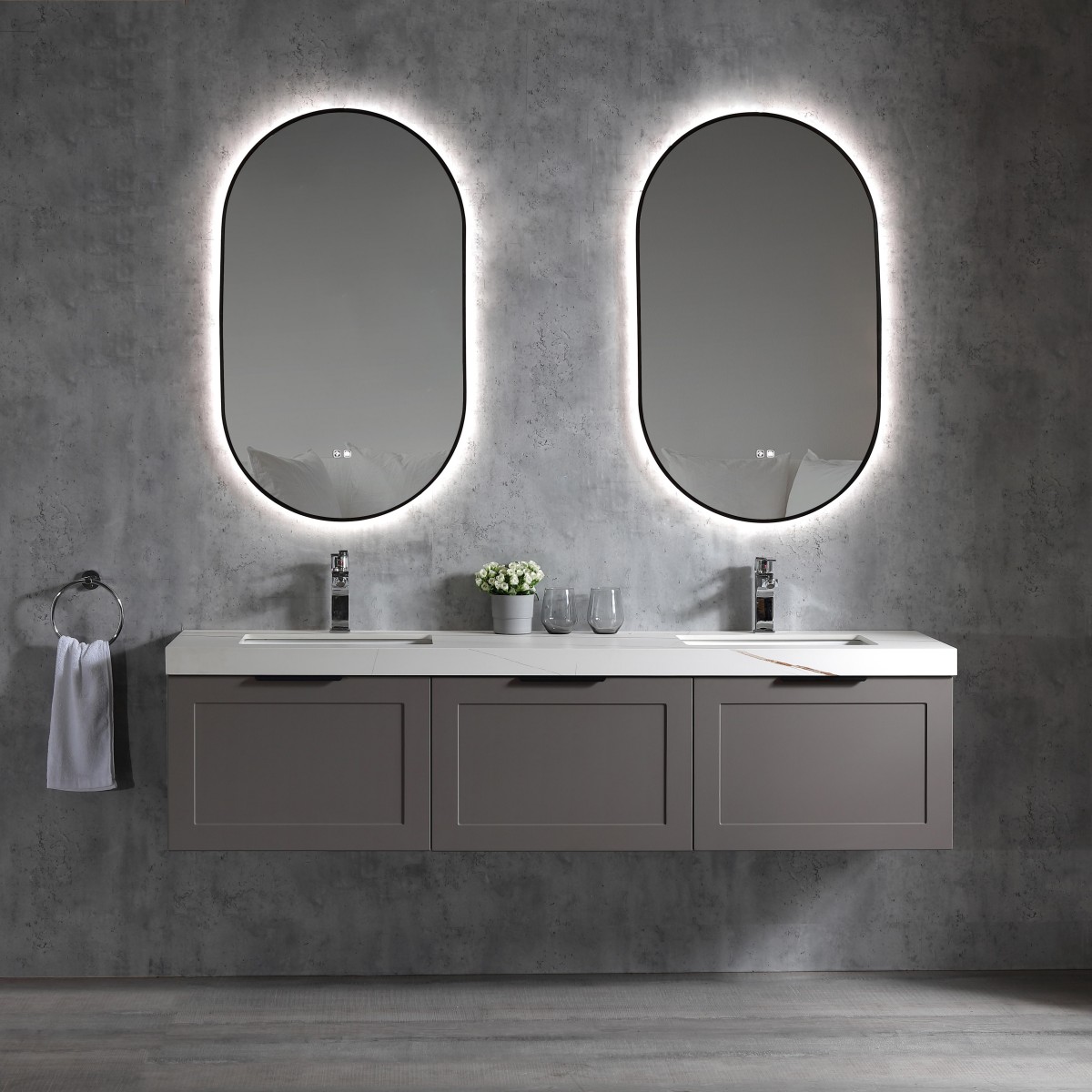
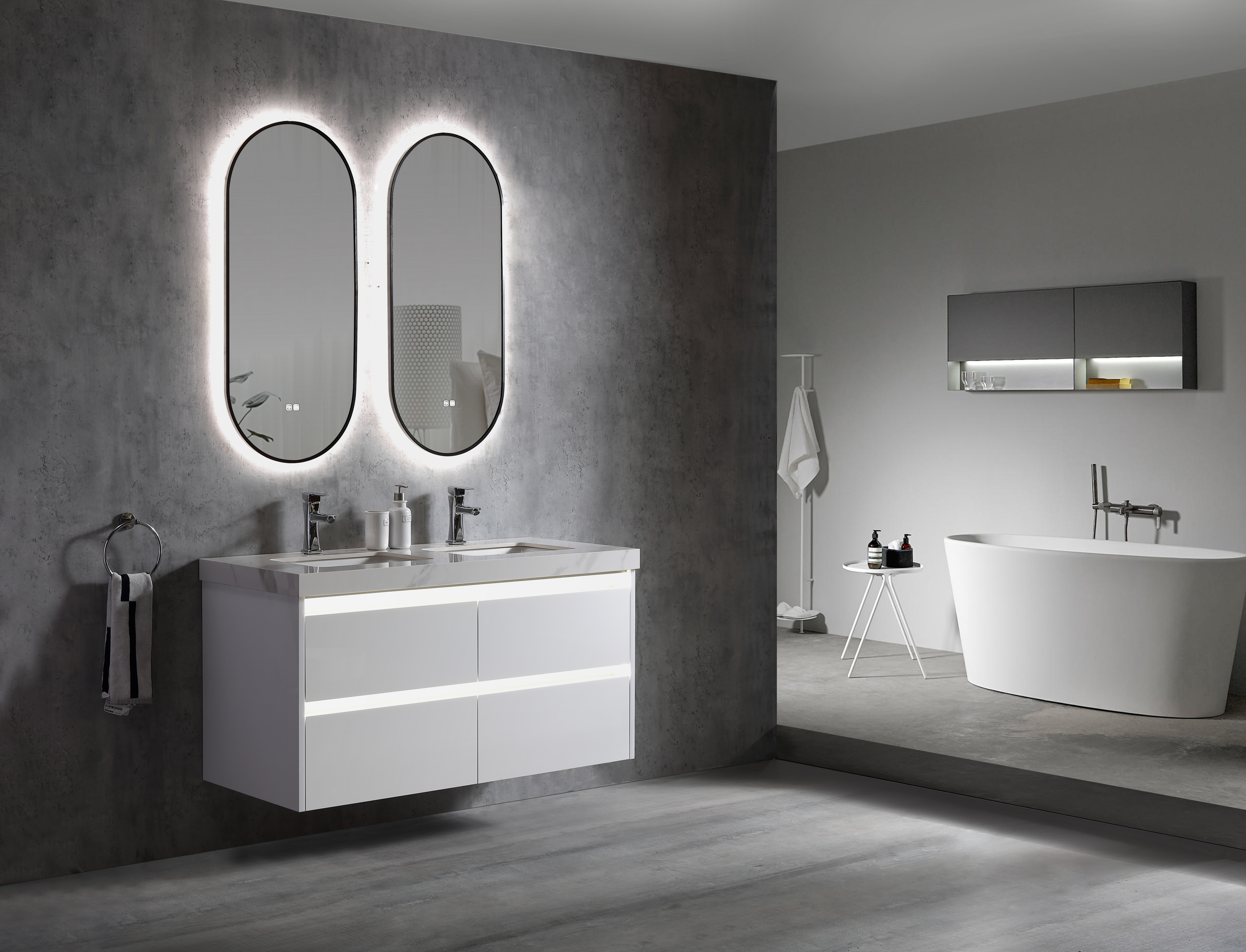
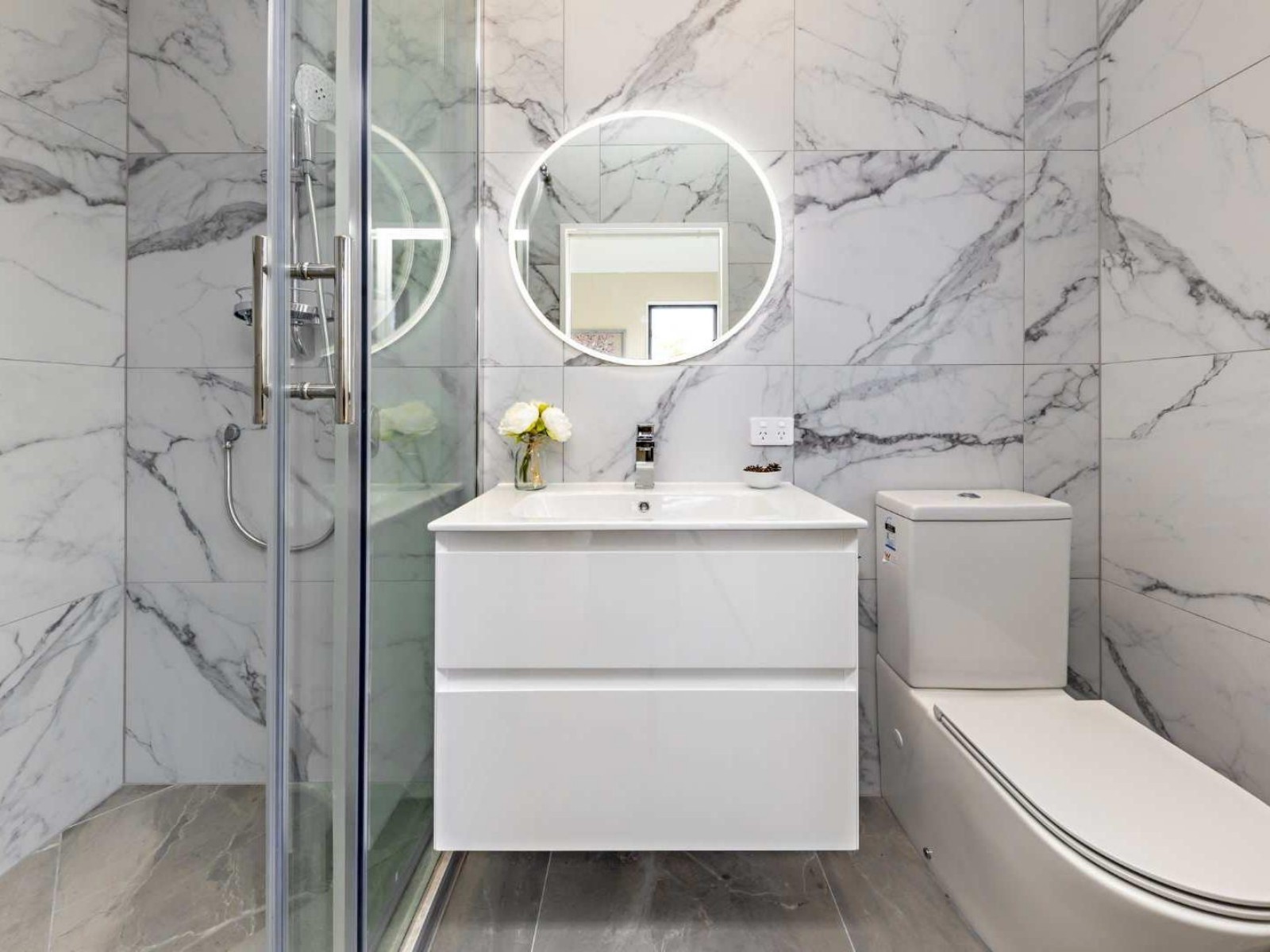
Interior design economists point to a fundamental psychological driver behind this shift. In a world increasingly filled with digital clutter and virtual noise, people are craving physical spaces that offer visual silence. The traditional floor-standing vanity, with its heavy base and enclosed footprint, often acts as a visual anchor that weighs down the room. Conversely, the Modern Floating Bathroom Vanity introduces an architectural phenomenon known as "negative space." By hovering elegantly above the floor, it exposes the full expanse of the tile work, creating an immediate illusion of expansive square footage. For homeowners struggling with compact urban apartments or narrow secondary bathrooms, this singular choice can effectively make a 6x8-foot room feel as airy as a 10x12-foot space, offering a tangible emotional relief that buyers are willing to pay a premium for.
Beyond spatial psychology, the aesthetics of this suspended unit perfectly align with the current "Instagram-worthy" design ethos that dominates social media platforms like Pinterest and TikTok. The sleek combination of a large, frameless circular mirror—often paired with an integrated, diffused LED light strip at the top—creates a halo effect of soft, warm illumination that flatters any complexion. When positioned adjacent to a window, the natural directional sunlight strikes the natural white oak wood grain of the cabinet, casting intricate, dancing shadows onto the surrounding matte walls. This dynamic interplay between light, wood, and ceramic brings an organic, living texture into an otherwise sterile space. Homeowners are no longer looking for a simple basin; they are curating a photo-ready sanctuary. The polished chrome faucet, the minimal ceramic sink, and the thoughtful inclusion of a muted green vase with dried botanical branches all contribute to a magazine-cover aesthetic that significantly boosts a home's perceived value.
From a practical and logistical standpoint, the rise of this floating design is also deeply intertwined with the "smart cleanliness" movement. The elevated structure eliminates the dreaded "toe-kick corner"—the dark, damp crevice between a traditional base cabinet and the floor where dust, hair, and mold spores notoriously accumulate. This structural design allows robotic floor mops to glide effortlessly beneath the unit, ensuring a hygienic environment with zero manual scrubbing. Furthermore, the suspended nature of the Modern Floating Bathroom Vanity simplifies complex plumbing access. Unlike built-in cabinetry that often requires demolition for pipe maintenance, the open underside provides plumbers with immediate access to the P-trap and water supply lines, saving both time and money on long-term maintenance. This marriage of aesthetic beauty and unmatched functional utility is exactly why this design has transcended niche luxury to become a mainstream staple in 2026.
The commercial success of this furniture category is heavily influencing the global supply chain. Major importers are scrambling to secure reliable suppliers from Southeast Asia and Eastern Europe who can deliver premium moisture-resistant marine-grade plywood cores alongside eco-friendly water-based lacquers. The demand for customization has skyrocketed, with homeowners demanding specific height adjustments to accommodate taller users or specialized ergonomic drawer layouts. The modular nature of the suspended design allows for this flexibility without requiring a complete structural rebuild. Real estate agents are now explicitly marketing homes with upgraded bathrooms featuring this floating cabinet as "turn-key modern," often reducing the average days on market by nearly 30%. The return on investment (ROI) for this single renovation project consistently exceeds 85%, making it one of the most financially sound home improvements a homeowner can undertake.
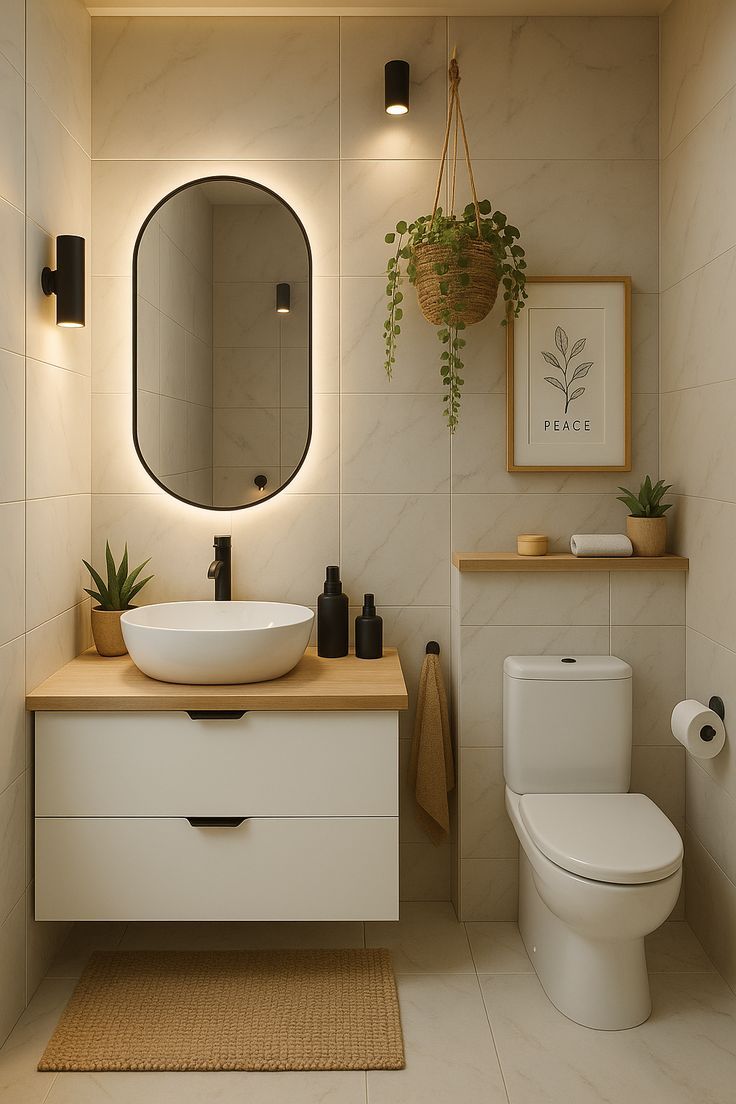
As we look toward the final quarter of 2026, the trend shows no signs of deceleration. The convergence of urban densification, remote-work lifestyle habits, and a growing appreciation for tactile, wood-textured materials ensures that the demand for suspended cabinetry will only intensify. Designers are increasingly advocating for the inclusion of this piece as the primary anchor for the entire room's color palette, lighting scheme, and overall mood. It is not merely a storage unit; it is a statement of modern living—a declaration that space, light, and cleanliness are the ultimate luxuries. Whether you are a developer building a high-end property, an interior designer seeking to elevate a client's home, or a homeowner planning a meaningful upgrade, embracing the sleek, functional, and visually liberating design of the Modern Floating Bathroom Vanity is the definitive path toward creating a sanctuary that balances everyday practicality with timeless art. In the era of the "Forever Home," this floating masterpiece is the anchor that sets the ship sailing toward a brighter, more elegant future.